Jackson Clayton

Witchverse: Wendigo
I worked on this project at Baobab Studios alongside an environment artist and programmer. We set out to create a multiplayer zombie survival game to work off of the studio's IP. I designed each area to give players different gameplay challenges.
Responsibilities:
-
Level Design
-
Gameplay Design
-
Technical Documentation


Pre-Production

Gathering References
Our team set out to build a new Fortnite experience inspired by Baobab Studios’ Witchverse IP, starting from the framework of a successful existing map. As lead coder and designer, I explored games that matched the IP’s tone, atmosphere, and technical scope.
After a few iterations, I pitched a zombie survival boss fight built around the Wendigo. It kept the tension and atmosphere of the Witchverse world but used scalable, replayable systems that fit within Fortnite’s framework. The concept felt grounded yet ambitious, and the team quickly got behind it.

Initial Floorplans
I outlined the systems needed to support a multi world zombie survival loop, where players earn coins by defeating enemies and use them to unlock upgrades, weapons, and new zones. Each world increased difficulty, culminating in a fifth world boss fight and a rebirth system that resets progress while preserving upgrades for replayability.
To support this loop, I built early floorplans focused on clear player flow, resource pacing, and combat visibility, ensuring every environment encouraged mobility and strategic progression.
Layout Sketches


I put together these level design sketches to communicate the flow, pacing, and systems of the project before moving into full blockout. They let me define enemy paths, player routes, upgrade locations, and progression structure in a readable way so we could validate the gameloop early and align everyone around a shared vision.
These sketches also let me lock in a good difficulty curve, to make sure that enemy density, purchase points, and traversal options would escalate at a good pace. This helped me tune what I wanted the tension for each area to be and make sure that I placed rewards naturally in a way to give players relief or motivation.
Planning these let me iterate rapidly with the team, figure out potential issues, and make sure that every element of the design supported the intended player experience before investing time into production.
Blockout Process
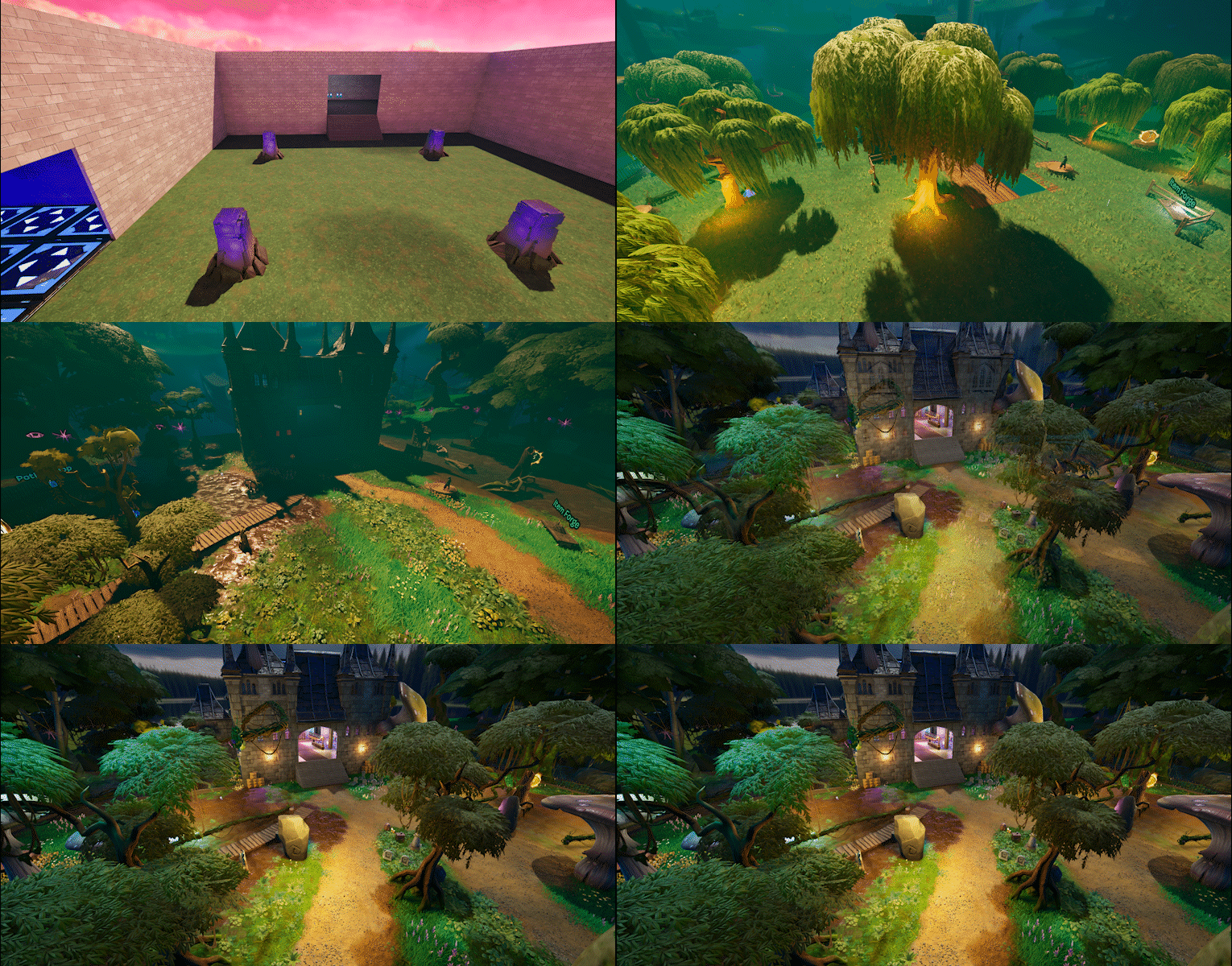
World 1 - Swamp
Built as a tight, looping arena to for AI pathing and player kiting. Tuned sightlines, spawn pacing, and resource placement to balance tension with recovery, establishing the core combat rhythm for later worlds.
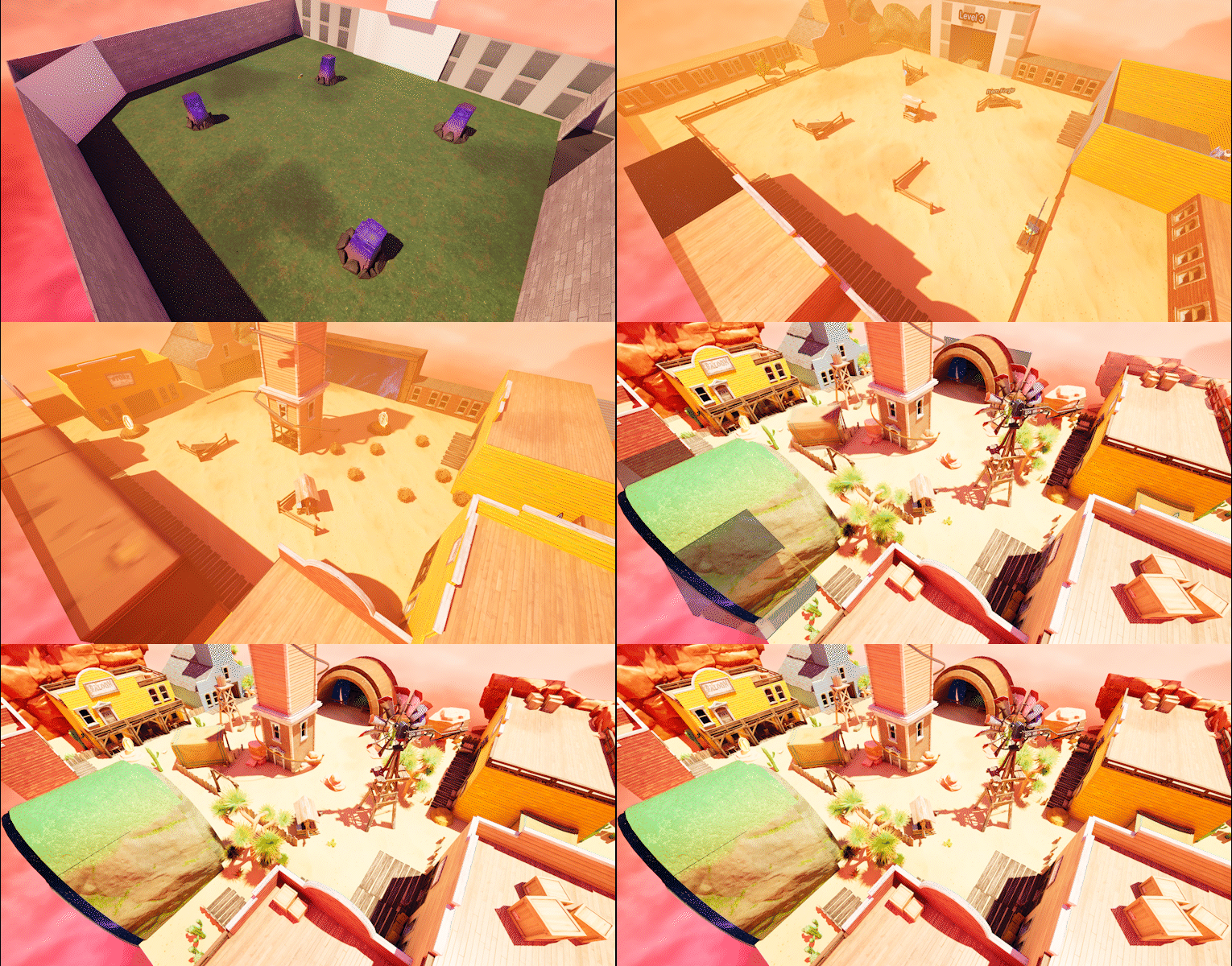
World 2 - Ghost Town
Built as an open combat zone to test long range visibility and movement flow, with limited weapon access encouraging players to re enter tighter interiors for safety.
Design Choices
World Progression
Built a scalable system where players earn and spend resources across multiple zones, supporting persistent upgrades and replayable flow.
Biome Design
Created distinct areas, each tuned for pacing, visibility, and skill progression.
Documentation
Wrote Verse standards and trigger flowcharts to align designers, artists, and programmers on consistent systems.
AI & Boss Systems
Scripted modular Verse logic for zombie AI, spawns, and boss transitions, ensuring stability across multiplayer sessions.
Environmental Readability
Shaped space composition to help players intuitively understand safe zones, objectives, and enemy threats.
Balance & Testing
Iterated through playtests to refine spawn density, weapon placement, and difficulty curves for a fair, cinematic experience.